
Financial Education for Teens: A Practical Guide
Financial Education for Teens: A Practical Guide
11/4/20254 min read


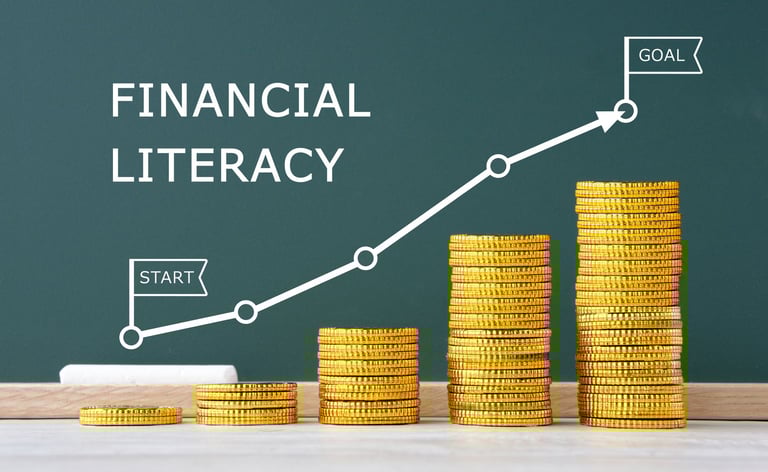
In today's fast-paced and ever-changing world, it is more important than ever for teenagers to have a solid understanding of financial literacy. How finances are taught plays a crucial role in shaping their lives, equipping them with the skills and knowledge needed to navigate the complexities of personal finance and make informed decisions.
In this article, we will explore the importance of financial literacy for teens, delve into the basic concepts of personal finance for teens, discuss practical ways to implement it in daily life and provide valuable resources for enhancing their financial literacy.
Unfortunately, many schools do not offer financial literacy courses. However, having well-rounded financial knowledge is important to help set you up for future success as a student and after you graduate.
The Importance of Financial Literacy
Financial literacy is the ability to understand and apply key money skills—like budgeting, saving, investing, and managing debt—to make informed financial decisions. For teenagers, learning these skills early helps build confidence and discipline around money. They learn how to plan their spending, set savings goals, and understand how compound interest can grow their wealth over time. These habits, when developed young, create a strong foundation for long-term financial stability and success.
The Role of Personal Finance in a Teen's Life
Financial education plays a vital role in a teenager’s development by equipping them with essential money management skills—such as tracking expenses, saving, and investing—that lay the groundwork for a secure financial future. Beyond basic budgeting, it fosters critical thinking, helping teens evaluate financial products, distinguish between needs and wants, and make informed borrowing and investment decisions. In an increasingly complex financial world filled with persuasive marketing and endless choices, these skills are crucial. Studies, like the 2003–2004 evaluation by the National Endowment for Financial Education, show that financially educated teens are more likely to save and act responsibly with money. Ultimately, financial education nurtures independence and accountability, empowering teens to take control of their financial lives and pursue long-term goals with confidence.
Introduction to Saving and Investing for Teens
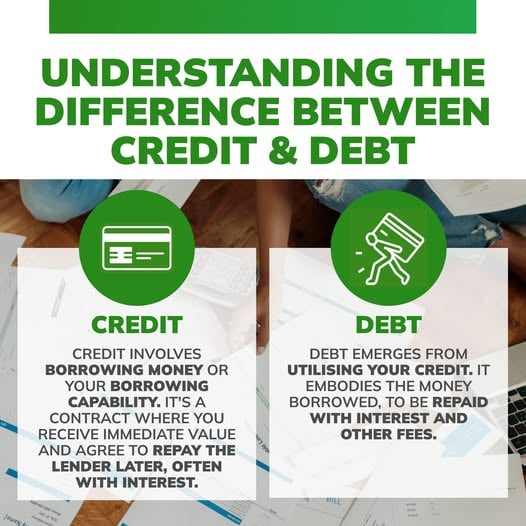
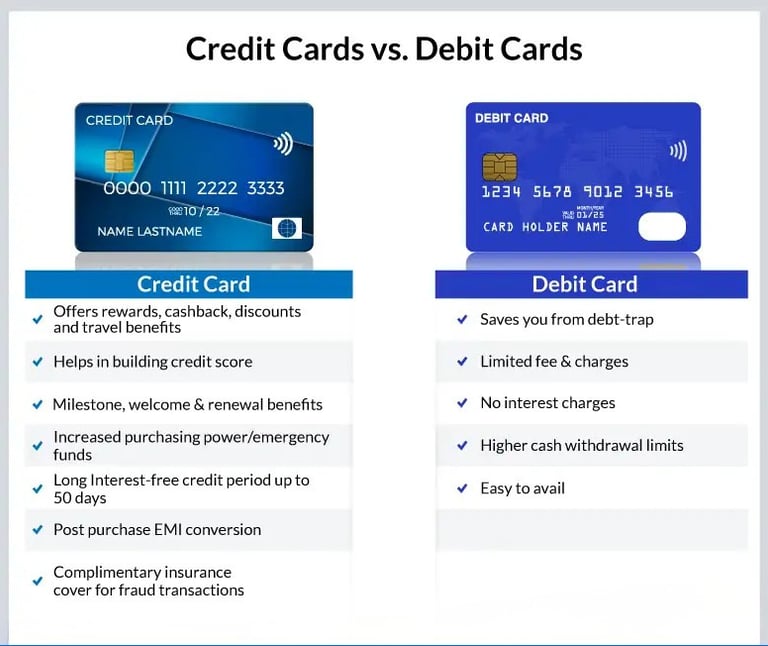
Understanding the importance of saving and investing is a cornerstone of financial education, especially for teenagers. Encouraging teens to build saving habits early—through tools like high-yield savings accounts or automatic transfers—can lead to long-term financial benefits and a mindset geared toward future growth. A 2018 survey by Junior Achievement USA and AIG revealed that 95% of teens believe personal finance courses in high school would be valuable, underscoring the demand for early financial literacy. Teaching concepts like compound interest, inflation, and diversified investment options—such as CDs, government bonds, stocks, or mutual funds—helps teens grasp how money grows and how to protect its value over time. By exploring these strategies, they gain a well-rounded understanding of financial management and lay the foundation for lifelong financial success. (This content is for educational purposes only and not intended as investment advice. Please consult a financial advisor for personalized guidance.)



Budgeting & Expense Tracking
Budgeting is a foundational skill that empowers teens to manage their money wisely and build responsible financial habits. Teaching them how to create a budget, allocate income across various needs, and track spending helps instill discipline and awareness. By setting short- and long-term financial goals—like saving for a summer job, a first car, or college tuition—teens gain motivation and purpose in managing their finances. Understanding the difference between fixed expenses (such as rent, utilities, and insurance) and variable ones (like groceries, entertainment, and transportation) allows them to prioritize spending and make informed choices.
Despite its importance, budgeting education is still lacking in many schools. A 2022 Survey of the States by the Council for Economic Education revealed that only 21 U.S. states require high school students to take a personal finance course, underscoring the need for broader financial literacy efforts. Teaching teens to track their expenses—whether through notebooks or budgeting apps—can offer valuable insights into their habits and highlight areas for improvement. This practice not only fosters financial responsibility but also encourages mindfulness and smarter decision-making as they prepare for adulthood.


Implementing Personal Finances in Daily Life
1. Building Practical Money Management Skills
To make financial education meaningful for teens, it's essential to teach practical skills like setting financial goals, distinguishing between needs and wants, and developing smart saving and spending habits. Using real-life scenarios—such as creating a personal budget based on their own income—can make learning more engaging and relevant. Encouraging teens to explore scholarships is another proactive way to support their financial well-being by reducing educational costs.
2. Instilling Financial Responsibility in Teens
Financial education should also emphasize responsibility by helping teens understand the value of accountability, self-discipline, and informed decision-making. Discussing the consequences of financial choices—like overspending or the long-term benefits of saving—can prepare them to face future financial challenges with confidence and clarity.

Follow us
My Office
6155 Brandon Dr, Lewis Center, OH 43035, USA
Contacts
securemoney4life@gmail.com
214.463.6569